


NEW ARRIVAL
Custom Made Scottish Kilts


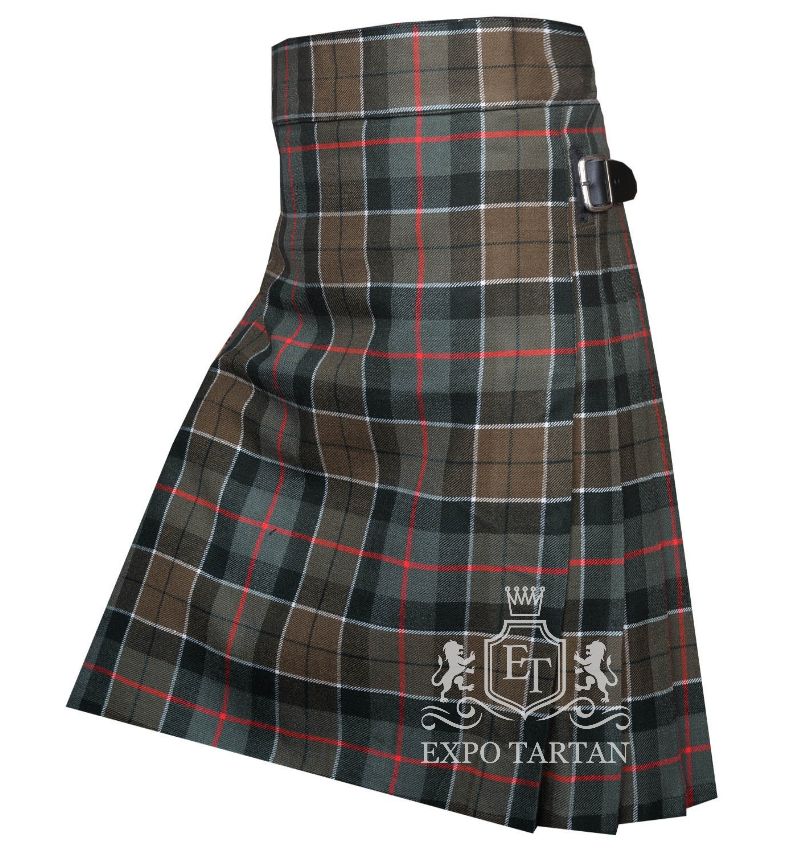

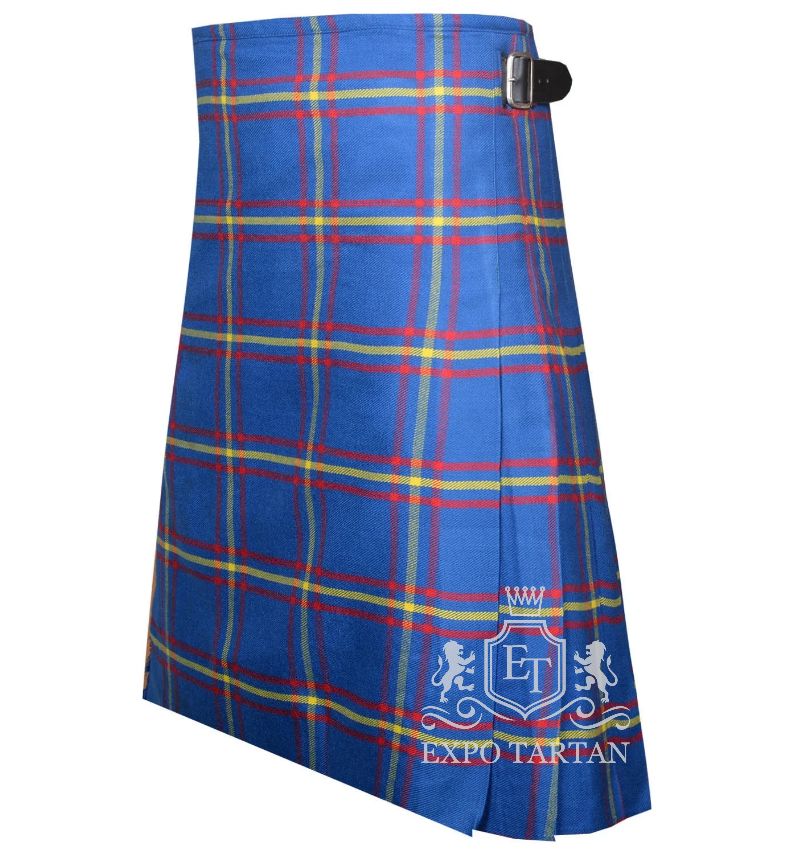

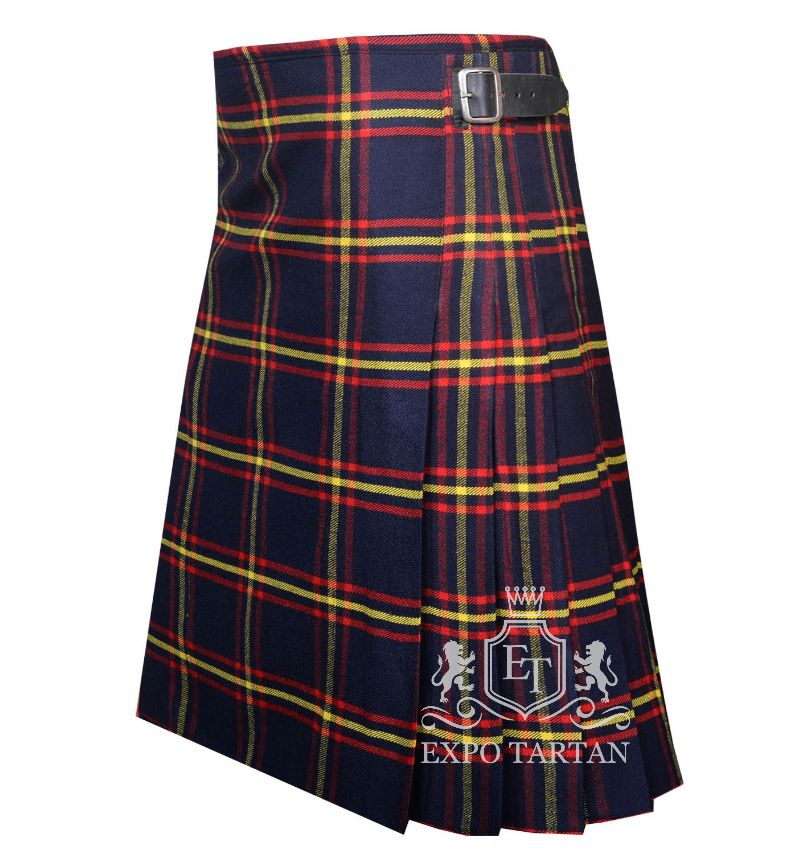

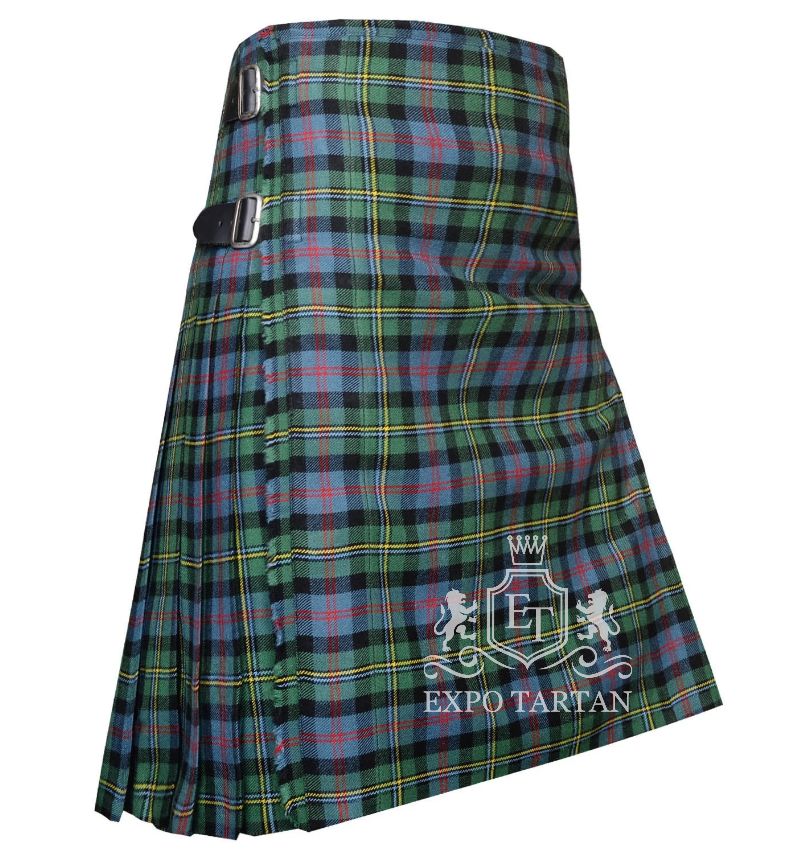



Leather Kilts & Skirts


Frequently Asked Questions
What is Expo Tartan?
Expo Tartan is a specialist Highland dress manufacturer producing premium tartan kilts, utility kilts, jackets, sporrans, belts, and accessories for customers worldwide. We offer over 500+ In Stock tartans including Scottish, Irish, and Welsh designs, with every garment made to your exact measurements. We ship globally and offer full customization across our entire product range.
What is a Scottish kilt called?
The kilt is the name of a Scottish kilt. It comes from the old Norse word for pleated - “kjalta”. It is a traditional, knee-length, pleated garment, usually worn with wool tartan material. Different tartan designs are typically associated with a particular Scottish clan, region or family. It might look like a skirt, but a kilt is an important and iconic symbol of Scottish identity and pride, worn by both men and women for casual and formal events.
Where did the Kilt Come from?
The kilt first appeared in the Scottish Highlands in the 16th century. The original was the Great Kilt - a large, belted tartan garment worn as a blanket. It evolved into the pleated kilt in the 18th century and became a symbol of Scottish identity in the Jacobite period. It's still worn with pride by Scots, Irish and Welsh people around the world.
When to wear a kilt?
Kilts are a very versatile garment and can be worn for many different purposes. They are the perfect choice for weddings, graduations, formal occasions, Burns Night, the Highland games, military parades and cultural festivals, to name a few. In fact, it's not uncommon to spot a kilt worn almost every time there's a celebration in Scotland. They can also be worn as casual attire. From celebrating tradition to expressing your style, there's no bad time to wear a kilt.
Who invented the kilt and why?
The small kilt or philibeg, as the modern kilt is also known, was designed in the 1720s by English Quaker Thomas Rawlinson of Lancashire. He thought the traditional belted plaid worn by Highlanders was too cumbersome for working in the fields, particularly for the Highland workers in his ironworks. He wanted a more practical alternative, so he modified the design, removing the draped part of the plaid and adding pleats to the lower part, to create a tailored kilt. This new design was more comfortable and practical and set the precedent for today's kilt.
How Do You Wear a Kilt?
Position the kilt at your natural waist with pleats at the back and the flat apron panels at the front. Wrap the right apron across first, then the left apron over the top, and fasten the buckle straps firmly. The kilt should sit at the centre of your kneecap. Complete the look with a belt, sporran, hose, and flashes.
How Do I Measure Myself for a Kilt?
You need three measurements — waist, hip, and length. Measure your natural waist 1 to 2 inches above your belly button. Measure your hips at the fullest point. Measure your length from your natural waist to the centre of your kneecap. Always measure in inches and never use your trouser size. If you need help, contact us at sales@expotartan.com and we will guide you through it.
How Do I Care for My Kilt?
Dry clean for best results. Hand wash in cold water with mild detergent if needed. Never tumble dry — hang to dry naturally away from direct heat and sunlight. Iron on low heat using a damp pressing cloth to protect the fabric and preserve the pleats. Store hanging on a wide kilt hanger in a cool dry place. Apply leather conditioner periodically to belts and sporrans.